




Why the VW Minibus Is Still Famous
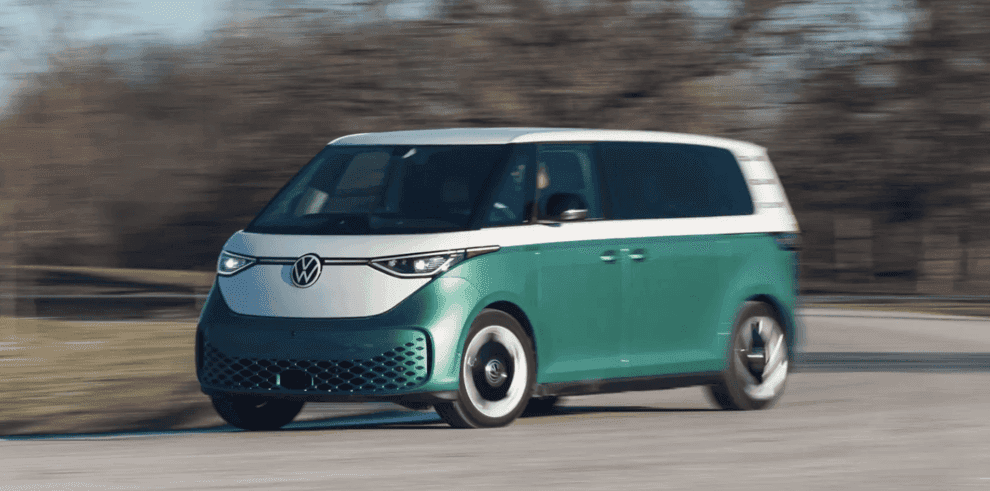
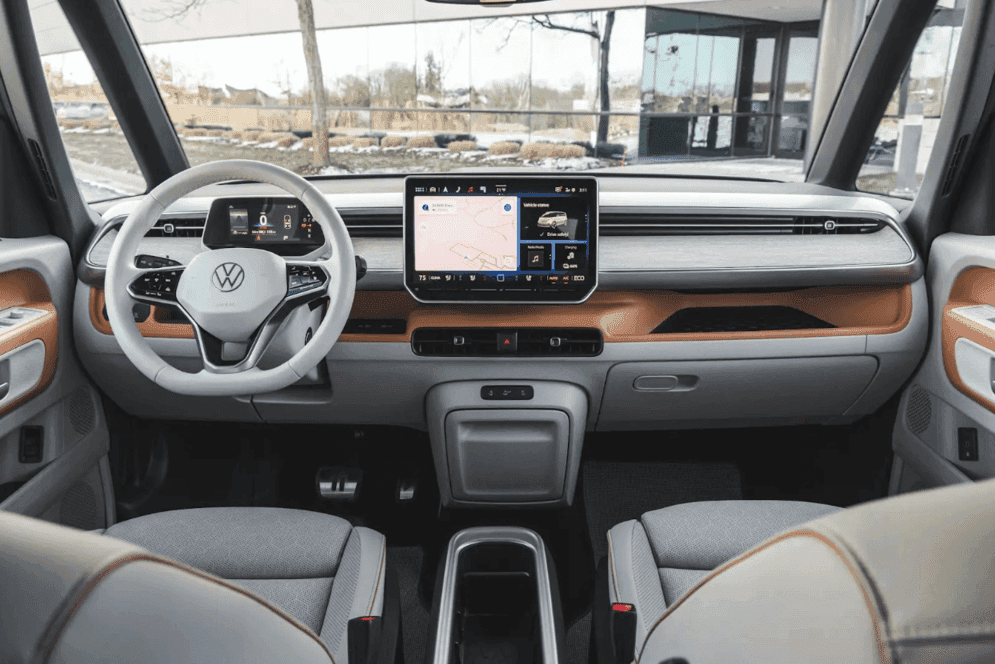
Photo Source/Copyright: Car and Driver
Few vehicles pull a spontaneous wave from total strangers, but the VW minibus has been doing it for over seventy years, from beach parking lots in the 1960s to electric-vehicle (EV) fast chargers today. Ask almost anyone over fifty about one, and you’ll hear a personal road-trip memory before they mention a single specification. Here’s how the iconic van evolved from a quick pencil sketch into a modern battery-electric cruiser.
Where the Bus Began
The story started in 1947 when Dutch importer Ben Pon sketched a boxy utility vehicle using a Beetle chassis, putting the engine in the rear and seating the driver right over the front wheels. Volkswagen liked the concept, greenlit production for the Type 2 in 1950, and kept the formula straightforward: haul people or cargo as cheaply as possible.
That functional simplicity made it a legend; owners pulled out the seats, loaded surfboards, and hit the highway without needing an instruction manual.
Splitties, Bay Windows, and the Vanagon Era
Every generation developed its own passionate group of fans:
| Generation | What Owners Call It | Defining Change |
|---|---|---|
| T1 | Splitty | Two-piece windshield, air-cooled rear engine |
| T2 | Bay Window | One-piece curved windshield |
| T3 | Vanagon | Squarer body; water-cooled boxer engine introduced mid-run |
| T4 | Eurovan | Engine shifted to the front |
| ID. Buzz | Buzz | Battery-electric power with standard rear motor |
Collectors chase T1 Splitties hardest, especially Samba variants featuring rows of skylight windows. Bay Windows carried 1970s road-trippers, while the squarer Vanagon handled family duties with optional Syncro all-wheel drive.
Why the Bus Went Quiet
When VW moved the engine up front for the T4 Eurovan, it made sense for safety and cabin room, but adding a front hood lost the classic character. After the Eurovan left the American market in 2003, U.S. buyers went twenty years without a new Volkswagen bus, though factory workers in Brazil kept building classic Bay Windows until 2013.
The ID. Buzz Picks Up the Thread
When the ID. Buzz arrived in U.S. showrooms in November 2024, it arrived looking like a retro-futuristic Splitty with two-tone paint, a giant V-shaped nose emblem, and dual sliding doors. To fit full family crews, North America received only the long-wheelbase, three-row version.
Key hardware figures include:
- Horsepower: 282 horsepower for rear-wheel drive, or 335 horsepower with 4MOTION all-wheel drive.
- Battery Capacity: 91 kilowatt-hour (kWh) pack.
- EPA-Estimated Range: Up to 234 miles.
- Seating: Seven seats standard, or six with second-row captain’s chairs.
Inside, high ceilings, massive glass, and a flat floor give the cabin a spacious living-room feel.
Upgrades Coming for 2027
Volkswagen skipped two U.S. model years to pack significant upgrades into its next release, scheduled for the first half of 2027. Key additions include:
- Tourer Trim: A factory camping package inspired by Europe’s Good Night Package, featuring a fold-out bed platform, blackout window blinds, and outdoor table and chairs.
- Charging Access: An included NACS adapter for Tesla Supercharger stations.
- Exclusive Finishes: Two-tone paint schemes standard, including Candy White over Cherry Red.
- Modern Tech: Vehicle-to-load power capabilities, digital key functionality, and one-pedal driving.
While not a traditional pop-top, the Tourer offers a factory-warrantied sleeper setup direct from the dealership floor.
Range Reality
An estimated range of 234 miles won’t get you across the country without fast-charging stops. For real-world driving, though, like school drop-offs, grocery runs, weekend lake trips, it offers plenty of buffer, especially when charging at home overnight.
On highway trips, charging breaks double as comfortable stretch stops, something original air-cooled buses routinely required when top speed was 55 miles per hour (MPH).
Finding Your Bus
Since new ID. Buzz inventory remains tight, our pre-owned inventory offers the quickest route to ownership. Alternatively, the ID.4 and Atlas handle similar family tasks. Stop by our showroom or join our waitlist for upcoming 2027 shipments.
More From Southern Volkswagen Greenbrier
What to Expect from VW Electric Vehicles
Photo Source/Copyright: Edmunds One SUV. That’s the Volkswagen electric vehicle (EV) story right now, and honestly, it makes shopping a lot easier. If you’ve been looking into VW electric vehicles, every road leads straight to the ID.4. No sorting through a pile of overlapping models. No second-guessing which one is the real deal. You…
Top Reasons to Own the 2026 VW Atlas
Photo Source/Copyright: Volkswagen Three rows and seven seats are usually enough to close the deal for busy parents, and Volkswagen clearly gets that. Rather than tearing up a winning formula, the 2026 VW Atlas doubles down on predictability. You get a settled design, a single engine choice across the lineup, and a trim…
Unlocking Value in the Volkswagen Atlas SEL
Photo Source/Copyright: Edmunds Three rows, one turbo four, and five ways to spec it. Somewhere in the upper-middle of that ladder sits the trim most families end up circling twice: the Volkswagen Atlas SEL. This is where VW’s full-size SUV quits feeling strictly practical and starts feeling like something you would pick even with…